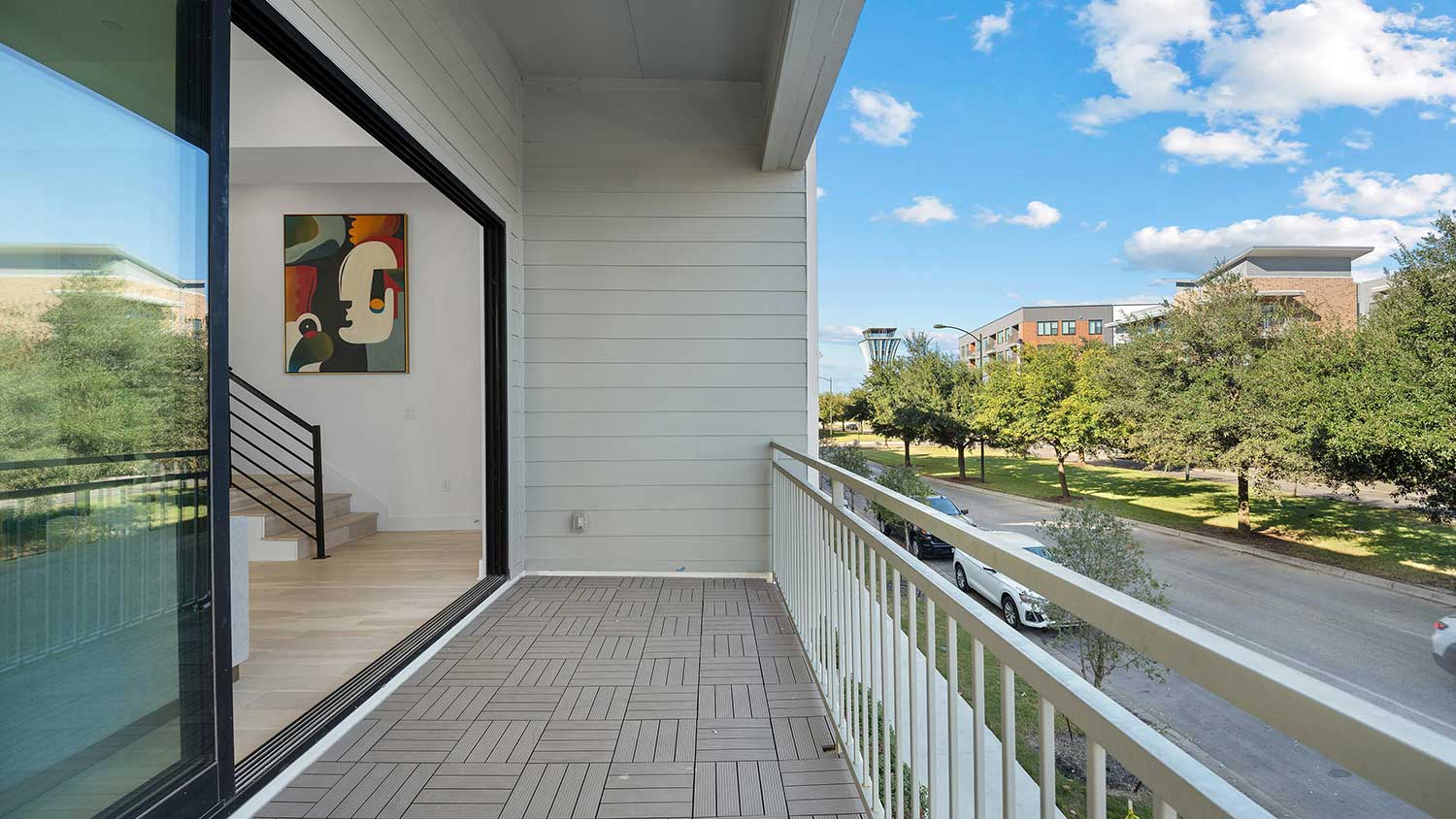
Living in Mueller Austin: What New Homeowners Should Know in 2026
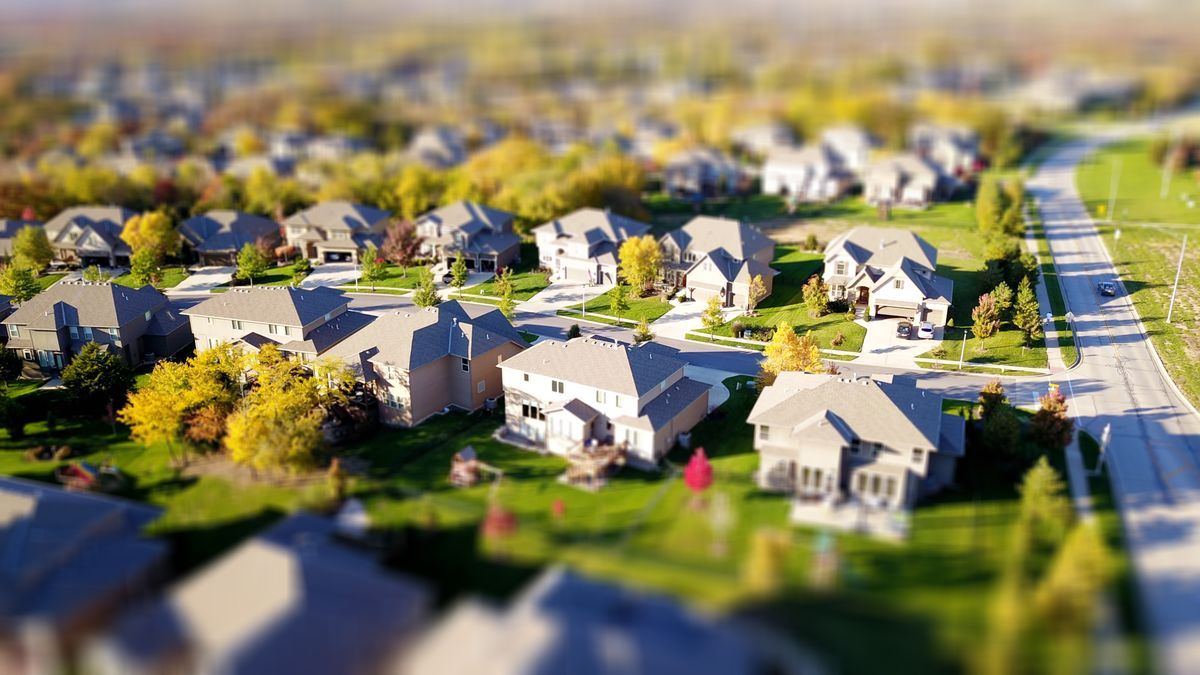
Three miles from downtown Austin, a former municipal airport has become one of the most closely studied planned communities in the United States. Mueller — built on the 711-acre site of the Robert Mueller Municipal Airport after it closed in 1999 — now houses roughly 7,900 residents with a median household income of $128,991 and a violent crime rate 28% below Austin's city average (Mueller Today, December 9, 2025). It holds the world's largest LEED-ND Gold certification, generates 1.51 MW of residential solar power, and is home to the Texas Farmers' Market that Austin readers have voted their favorite eight years running. If you're weighing a purchase here in 2026, this guide covers what the data actually shows — from home prices and schools to safety, walkability, and what daily life looks like beyond the brochure.
Key Takeaways
- Mueller's median home price was $742,500 in 2025–2026, down 4.8% year-over-year — the most accessible entry point since the pandemic run-up (Orchard Real Estate, 2026).
- Violent crime runs at 265 per 100,000 residents — 28% below Austin's city-wide rate of 370 per 100,000 and below the U.S. national average (Mueller Today, Dec 2025).
- The school pipeline from T.A. Brown Elementary through McCallum High earns a 9/10 GreatSchools rating — among Austin's strongest public tracks in any central ZIP code.
- Mueller holds the world's largest LEED-ND Gold certification, generates 1.51 MW of residential solar, and leads the U.S. in EVs per capita for any single neighborhood.
What Is Mueller, and Why Does It Draw New Homeowners?
In 2026, Mueller's 711 acres represent one of the largest urban infill projects in Texas history — with 4,600 planned residential units, 140 acres of parks, and a location equidistant between downtown Austin and the University of Texas campus (Wikipedia, Mueller, Austin, March 2026). The master plan, developed under a community advisory process after Austin voters approved the airport closure in 1984, mandates that 25% of all housing units remain permanently affordable. That requirement is enforced through deed restrictions on the Catellus Development Corporation's parcels — not a voluntary program, and not subject to future market pressure.
What attracts buyers here isn't a single amenity. It's the convergence of conditions most central Austin neighborhoods can't offer simultaneously: walkable urban design, a school pipeline you don't have to lottery into, 140 acres of greenspace within the boundary, and a grocery store plus cinema you can reach on foot. That combination is rare at any price point, but especially rare three miles from downtown in a city with Austin's growth trajectory.
Mueller's street grid is intentionally different from both suburban subdivisions and traditional urban blocks. Homes face parks and greenways. Streets are narrowed to slow traffic. Front porches sit close to sidewalks. The design philosophy forces a level of visual contact between neighbors that most American residential developments actively prevent — which is either appealing or not, depending on your preference for engagement. Buyers who visit Mueller expecting polished quiet often find something more alive and more demanding than they anticipated.
Mueller Home Prices in 2026: What Buyers Are Actually Paying
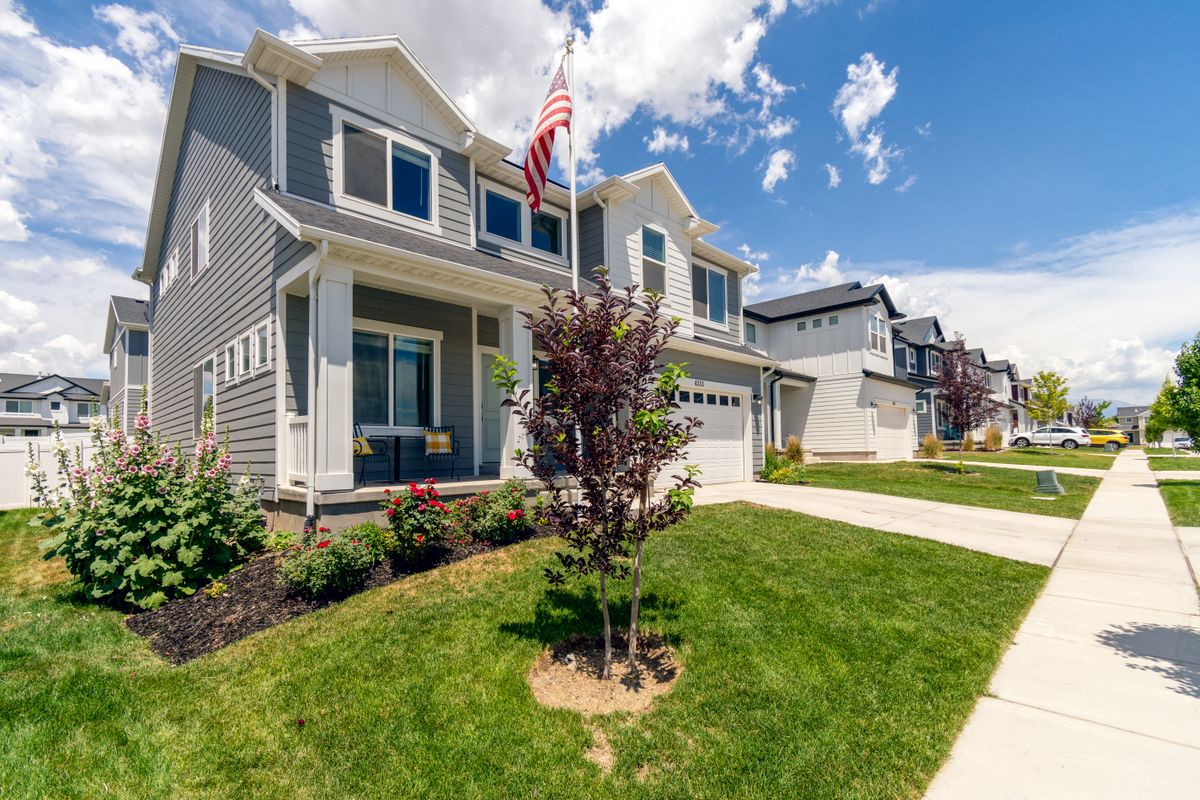
In 2025–2026, Mueller's median home price landed at $742,500, down 4.8% from the prior year, at an average of $413.17 per square foot and a median 27 days on market (Orchard Real Estate, 2025–2026). Zillow's average for the same period came in at $701,817, off 1.8% year-over-year — the gap between the two figures reflects a handful of high-end single-family sales pulling the mean above the median. In practical terms: homes below $600,000 are almost entirely townhomes and condominiums; detached single-family homes start above $800,000 with most clustered between $900,000 and $1.3 million.
The 4.8% year-over-year price decline isn't Mueller-specific — it reflects Austin's broader inventory correction as pandemic-era demand normalized and affordability constraints reduced competition across the metro. For buyers who tracked Mueller during the 2021–2022 run-up and stepped back, the current window represents a meaningful price reset without any change in the neighborhood's fundamentals.
The 27-day median days on market indicates a competitive but not frenzied environment. Well-priced detached homes in the $850K–$1.1M range still attract multiple offers within the first week. Townhomes and row houses in the $550K–$750K range have more negotiating room, reflecting the Austin condo/attached correction more broadly. One variable buyers often underestimate: Mueller's HOA maintains common areas, parks, and enforces the master plan's design standards. Fee schedules vary by home type and have been updated in recent years — contact the Mueller HOA directly for current rates before calculating carrying costs.
Citation capsule: According to Orchard Real Estate data covering 2025–2026, Mueller Austin's median home price stands at $742,500 — down 4.8% year-over-year — with homes averaging $413.17 per square foot and a median 27 days on market. The softening mirrors Austin's broader inventory correction rather than any community-specific weakness, and represents the most accessible entry point into Mueller since 2020.
What Schools Serve Mueller Families?
In 2026, Mueller's zoned school pipeline runs through Austin ISD's most consistently rated central-city track, earning a composite 9/10 on GreatSchools.org — an unusual score for schools in any dense, intown ZIP code (GreatSchools, 2025). Three schools cover the full PK–12 span: T.A. Brown Elementary, Kealing Middle School, and McCallum High School, all within or immediately adjacent to Mueller's boundaries.
T.A. Brown Elementary was built specifically for Mueller families, designed with the same walkable-access principle as the neighborhood itself: children can walk or bike to school from most Mueller addresses without crossing a major arterial road. Kealing's magnet programs in academics and fine arts attract students from across Austin ISD, contributing to a diverse and competitive school environment. McCallum offers an International Baccalaureate program alongside its standard college-prep curriculum — IB enrollment is open to Mueller students without an additional lottery.
For families entering the housing market in 2026, this pipeline addresses one of central Austin's most common buyer anxieties: the need to either pay private school tuition or navigate a complicated magnet application to access quality education. Mueller delivers school-quality certainty at the point of purchase. That transparency has real economic value, and it shows up — at least partially — in the price premium Mueller commands over comparable central Austin product.
Is Mueller Austin Safe?
In December 2025, Mueller Today reported a violent crime rate of 265 incidents per 100,000 residents for Mueller's ZIP code — compared to Austin's city-wide average of 370 per 100,000, a 28% lower rate (Mueller Today, December 9, 2025). For context, the FBI's 2023 national crime data placed the U.S. violent crime average at approximately 380 per 100,000 — meaning Mueller's rate sits below both Austin and the national benchmark.
Property crime — the more frequent concern for new homeowners — follows a similar pattern. Mueller's design contributes structurally: front porches facing active sidewalks, mixed-use ground floors that keep streets occupied through evening hours, and a community that is, by its own demographic profile, heavily owner-occupied and long-tenured. The 25% affordable housing mandate means lower-income residents are woven into the fabric of the neighborhood rather than displaced outward — an arrangement that, according to urban planning research on new urbanist developments, reduces the concentrated-poverty dynamics that tend to drive crime in other urban neighborhoods.
Citation capsule: In December 2025, Mueller Today reported Mueller's violent crime rate at 265 per 100,000 residents — 28% below Austin's city-wide rate of 370. This safety advantage is partly structural: Mueller's walkable street grid, activated ground floors, and owner-occupied community mix reduce the environmental conditions that research associates with elevated urban crime rates, according to studies on new urbanist neighborhood design.
How Walkable Is Mueller? Getting Around Without a Car
Mueller's Walk Score of 74, Transit Score of 48, and Bike Score of 73 describe a neighborhood that functions well without a car for most daily tasks — though full car-free living requires some tolerance for Austin's transit gaps (WalkScore.com, 2025). The HEB grocery, Alamo Drafthouse, Thinkery children's museum, Texas Farmers' Market, and dozens of restaurants on Aldrich Street are all reachable on foot from most Mueller addresses. A bike commute to UT Austin's main campus takes under 15 minutes via the shared-use trail that runs directly from Mueller to the university.
The transit gap — a score of 48 means "some transit" — is an Austin problem, not a Mueller-specific one. Capital Metro routes serve the neighborhood, but off-peak frequency is limited. Residents commuting to the Domain, Cedar Park, or suburban employment centers will find car ownership practical. For those working downtown, at UT, or along the East 38th Street corridor, genuine car-optional living is feasible in 2026 and only getting more so as Cap Metro's Project Connect rail expansions move forward.
Mueller's internal trail network connects directly to Austin's broader hike-and-bike trail system: Boggy Creek Greenbelt to the south, and via the Lance Armstrong Bikeway, to South Congress and the Town Lake trail. For residents who bike commute, those 140 acres of internal greenspace aren't recreational amenities alone — they're transportation infrastructure.
What Does Daily Life Look Like in Mueller?
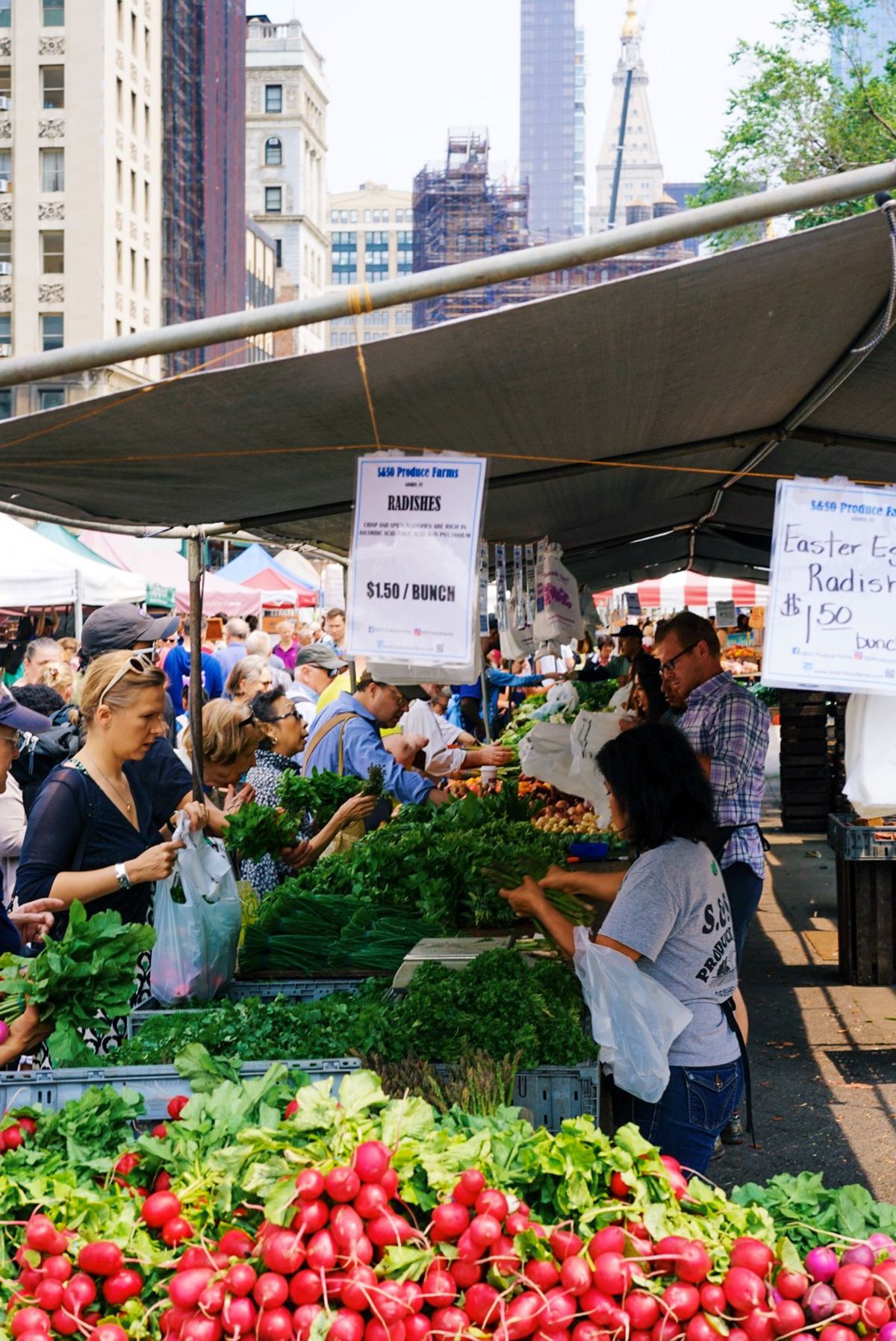
The Texas Farmers' Market at Mueller runs every Sunday year-round, drawing vendors from across Central Texas with certified-organic produce, prepared food, and live music — voted Austin's favorite farmers' market by Austin Monthly readers for eight consecutive years (Austin Monthly, 2025). For new homeowners, it's less of an errand and more of the neighborhood's operating social infrastructure: the place where you actually meet your neighbors and track what's happening in Mueller beyond the official channels.
Daily essentials don't require a car trip. The full-format HEB on Mueller Boulevard handles groceries. The Thinkery — an interactive children's museum on the neighborhood's eastern edge — gives families with young kids an all-weather activity destination. The Alamo Drafthouse at Mueller offers first-run films with dinner service. Aldrich Street's restaurant corridor runs from sit-down casual to fast-casual, with enough density to sustain weeknight regulars.
Mueller's community programming is denser than most planned neighborhoods can sustain. Block parties, holiday markets, community garden work days, and park pavilion events run through both the formal Catellus/HOA structure and informal resident networks. The Mueller Community Garden has a waiting list. Whether this feels like genuine community or like social obligation depends entirely on the buyer's preference for neighborhood engagement — but it's worth calibrating expectations before purchase.
Mueller's Sustainability Credentials: What They Mean for Buyers
In 2026, Mueller holds the distinction of being the world's largest LEED for Neighborhood Development (LEED-ND) Gold certified community — a designation awarded by the U.S. Green Building Council for communities meeting rigorous standards for smart location, walkable design, and green construction (U.S. Green Building Council, 2024). The neighborhood's residential solar installations generate 1.51 megawatts of power, and Mueller has been identified as having the highest concentration of electric vehicles per capita of any neighborhood in the United States.
For buyers, sustainability credentials translate into two practical benefits. First, the energy efficiency standards built into Mueller homes — required under the LEED-ND framework — tend to produce lower utility bills than comparable Austin homes of similar age and size. Second, Mueller homes are well-positioned for green financing products, including Austin Energy rebate programs and efficiency-based mortgage products that have expanded significantly in 2024–2025.
The neighborhood's protected tree canopy — maintained under both the master plan and Austin's heritage tree ordinances — provides meaningful thermal benefit in Central Texas summers. Mature trees on a lot can reduce ambient temperatures by 5–8 degrees Fahrenheit relative to treeless urban blocks, directly cutting HVAC loads and monthly electricity bills. That's an operating cost advantage that compounds across a 7–10 year ownership horizon.
Frequently Asked Questions About Living in Mueller Austin
What is the average home price in Mueller Austin in 2026?
Mueller's median home price was $742,500 in 2025–2026, down 4.8% year-over-year, with a Zillow average of $701,817 for the same period. Townhomes and condominiums typically range from $500,000 to $700,000; detached single-family homes start above $800,000. The neighborhood averages $413.17 per square foot with a 27-day median days on market (Orchard Real Estate, 2025–2026).
Is Mueller Austin a good place to raise a family?
Mueller offers one of Austin's strongest public school pipelines in a central ZIP code — T.A. Brown Elementary, Kealing Middle, and McCallum High all earn 9/10 GreatSchools ratings. Combined with 140 acres of parks, the Thinkery children's museum, and walkable street design, it ranks among Austin's most family-optimized intown neighborhoods for buyers who want urban access alongside school quality.
How safe is Mueller compared to the rest of Austin?
Mueller's violent crime rate of 265 per 100,000 residents is 28% below Austin's city-wide rate of 370 per 100,000, per December 2025 data from Mueller Today. Property crime rates follow a similar pattern, reflecting both the neighborhood's design — activated street life, front-porch-facing sidewalks — and its heavily owner-occupied demographic profile.
Does Mueller Austin have an HOA?
Yes. Mueller's homeowners association maintains common areas, parks, and enforces the master plan's design standards as established under the Catellus Development Corporation's deed restrictions. HOA fees vary by home type — detached, townhome, or condominium — and have been adjusted in recent years. Contact the Mueller HOA directly for current fee schedules before calculating total carrying costs.
How far is Mueller from downtown Austin?
Mueller sits approximately 3 miles northeast of downtown Austin — a 10–15 minute drive under normal traffic, a 20–30 minute bike ride via the Lance Armstrong Bikeway, or a Capital Metro bus connection. The University of Texas main campus is about 1.5 miles west, making Mueller a practical base for UT faculty, staff, and graduate students who bike commute.
Looking for New Construction in Austin's Best Intown Neighborhoods?
InTown Homes builds luxury townhomes in Austin and Houston's most walkable, amenity-rich communities — close to parks, schools, and daily life.
Sources
- Orchard Real Estate, "Mueller, Austin, TX Neighborhood Data," retrieved 2026-05-06, https://orchard.com/neighborhoods/mueller-austin-tx/
- Zillow Research, Mueller Austin neighborhood overview, retrieved 2026-05-06, https://www.zillow.com
- Mueller Today, "Crime Statistics Update," December 9, 2025, https://www.muellertoday.com
- WalkScore.com, Mueller Austin walkability scores, retrieved 2026-05-06, https://www.walkscore.com/TX/Austin/Mueller
- GreatSchools, T.A. Brown Elementary, Kealing Middle, McCallum High ratings, retrieved 2026-05-06, https://www.greatschools.org
- Wikipedia, "Mueller, Austin," last modified March 2026, https://en.wikipedia.org/wiki/Mueller,_Austin
- U.S. Green Building Council, LEED-ND Project Directory, retrieved 2026-05-06, https://www.usgbc.org
- Point2Homes, Mueller Austin demographic data, 2024, https://www.point2homes.com
- Austin Monthly, "Austin's Best Farmers' Markets," 2025, https://www.austinmonthly.com
- FBI, National Crime Statistics Exchange 2023, https://ucr.fbi.gov