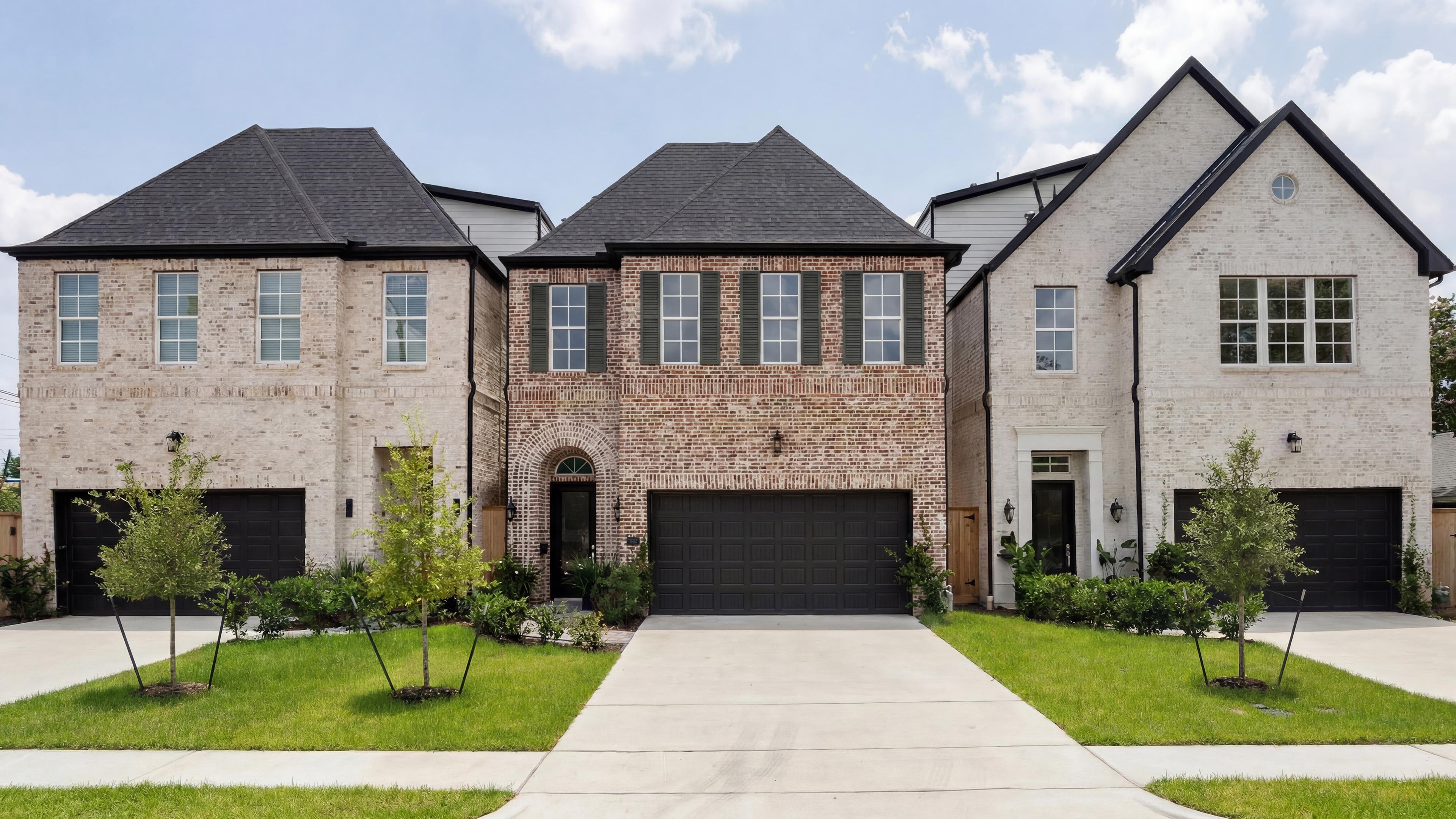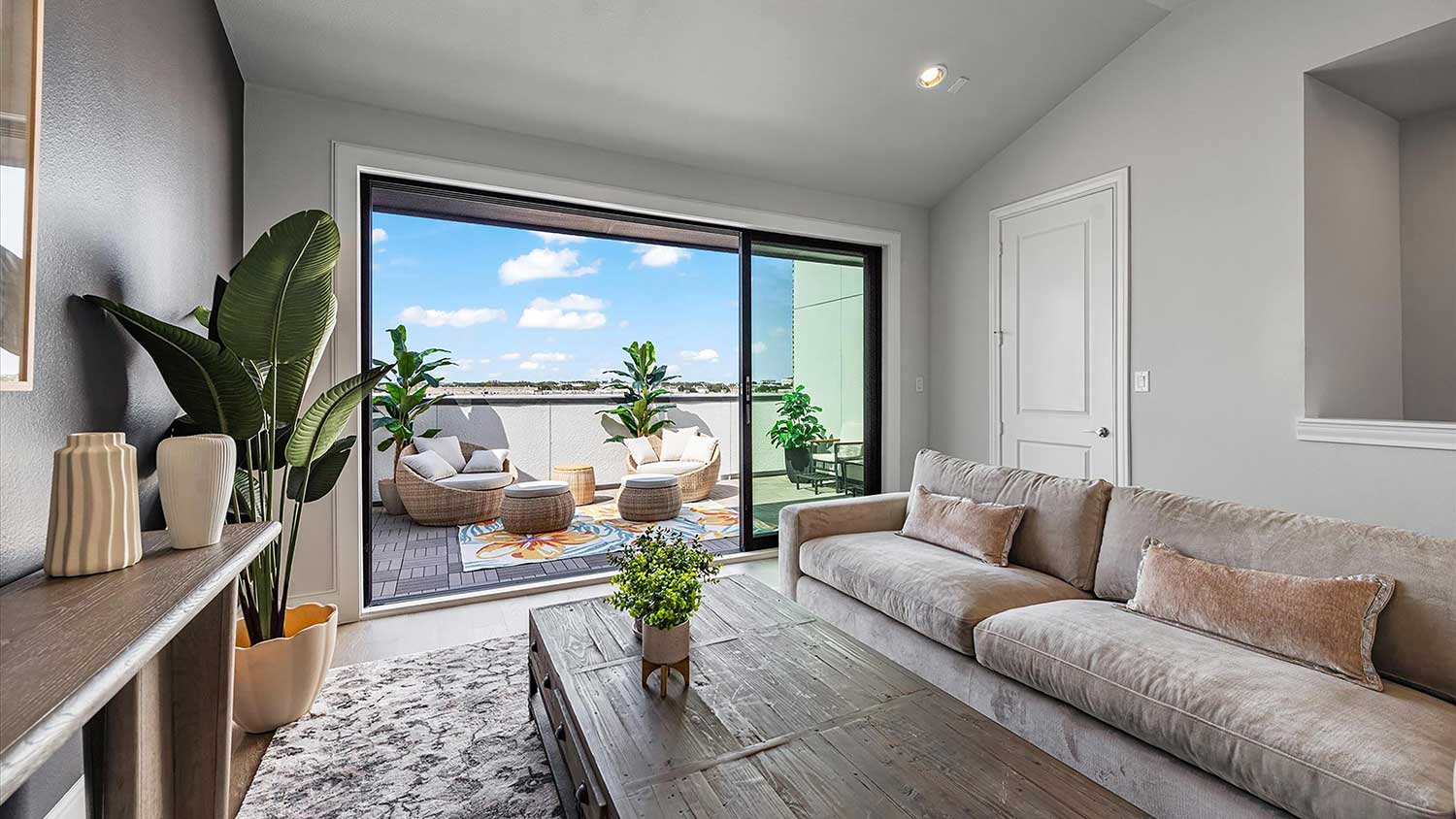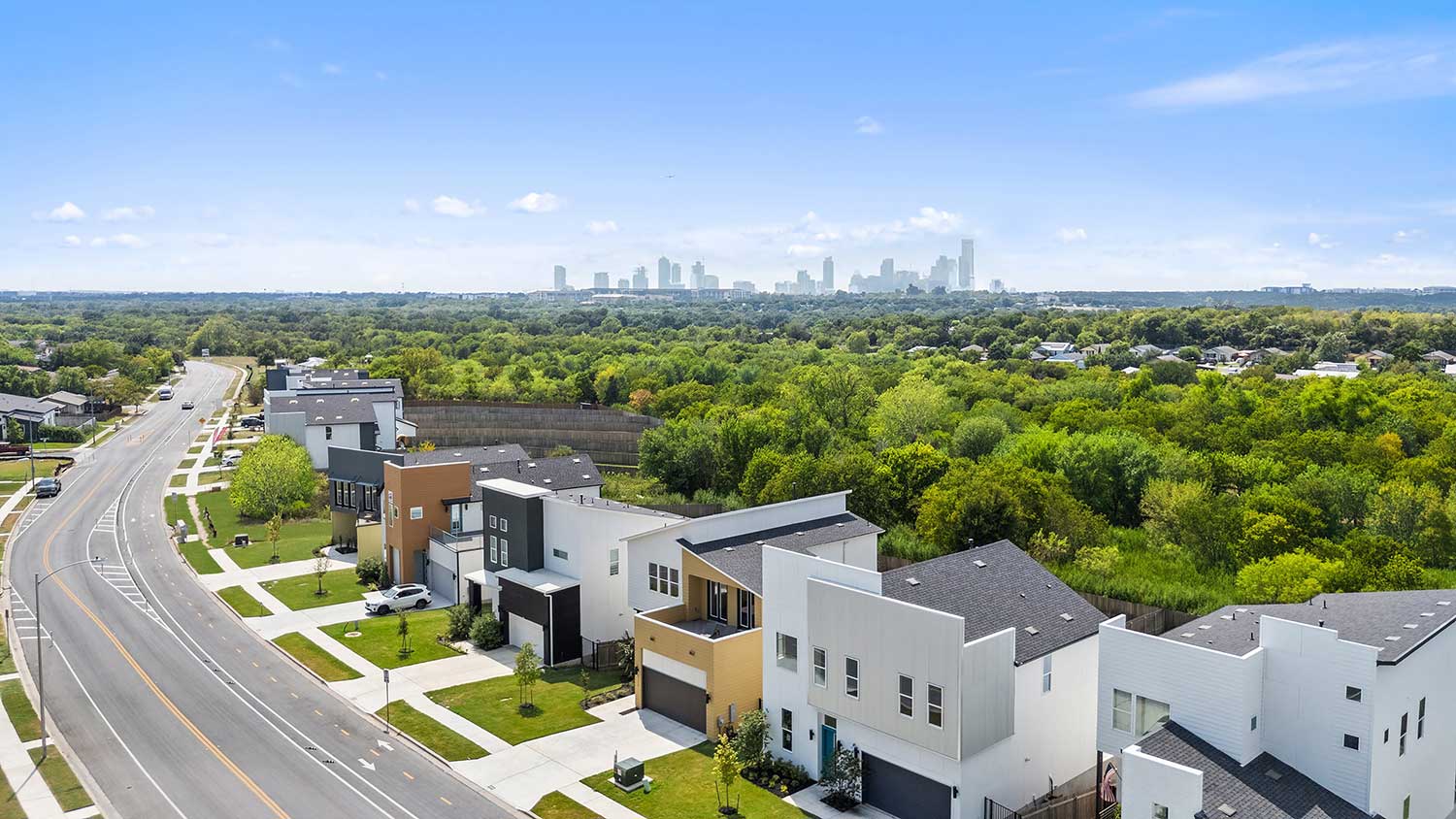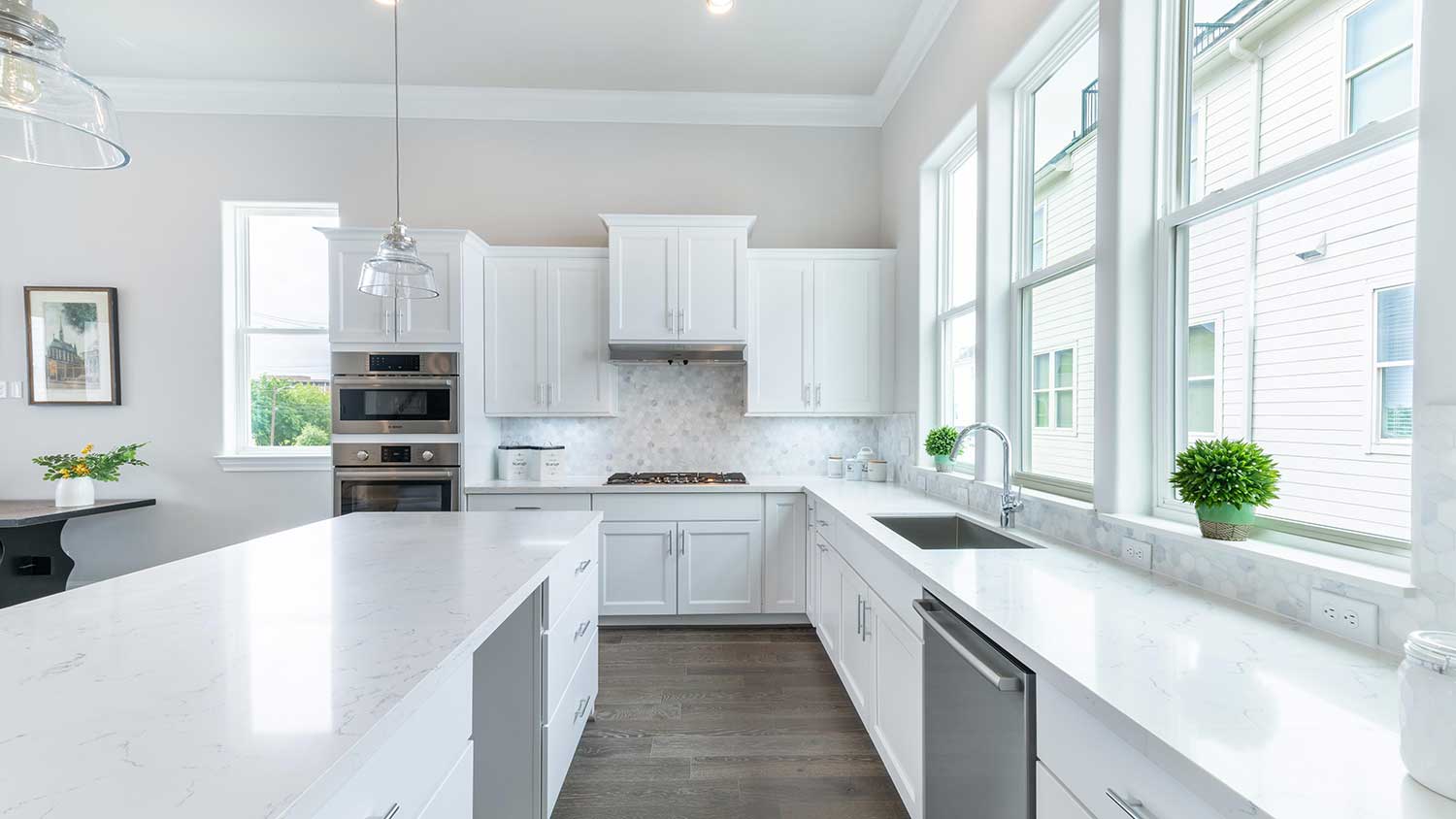
Texas builds more homes than any other state in the country. Through October 2024, Texas authorized 136,374 single-family permits — the highest total in the nation and roughly 20,000 ahead of second-place Florida, according to the Texas Real Estate Research Center (TRERC) at Texas A&M, January 2025. If you're buying new construction in Texas, you're entering a market that knows how to build at scale. But scale doesn't mean smooth sailing: labor shortages, permit delays, weather setbacks, and material cost pressures affect timelines on nearly every project.
This guide walks you through every phase of the Texas new home build process — from contract signing to final walkthrough — with realistic timelines, cost benchmarks, and the specific things buyers consistently wish they'd known before breaking ground.
Key Takeaways
- Production/spec homes in Texas typically close in 4–7 months; semi-custom runs 7–10 months; fully custom takes 10–18+ months from contract to move-in (Dunn & Stone Builders, 2026).
- Construction costs now represent a record 64.4% of the average new home price nationally, averaging $428,215 per home in 2024 — and 2025 tariffs are estimated to add $10,900 more (NAHB, 2025).
- 61% of builders reported labor shortages as a serious problem in 2024, adding nearly 2 months to build times for smaller Texas contractors (NAHB Eye on Housing, Feb 2025).
- Texas HB 2024 changed builder warranty law: new homes now carry a 1-2-6 structure (1yr workmanship, 2yr systems, 6yr structural) — shorter than the previous 10-year standard. Know this before you sign.
How Long Does It Take to Build a New Home in Texas?
Nationally, single-family homes built for sale averaged 7.6 months from permit authorization to completion in 2024, per the NAHB Eye on Housing, citing the Census Bureau Survey of Construction, September 2025. Texas production homes often beat that figure — but the range widens dramatically by home type. What type of build you're doing is the single biggest determinant of your timeline, not the market or the city.
Here's how the three main build categories break down in Texas, per Dunn & Stone Builders, April 2026:
- Production / spec homes (4–7 months) — Pre-designed floor plans on builder-owned lots in master-planned communities. The fastest path because the builder controls the supply chain, trades, and scheduling. Lennar, D.R. Horton, and Perry Homes all operate primarily in this category across Houston, Dallas, Austin, and San Antonio.
- Semi-custom homes (7–10 months) — You select a floor plan and customize finishes, layout options, and upgrades, but build on either a builder lot or your own lot. More decisions mean more lead time on materials.
- Fully custom homes (10–18+ months) — Architect-designed from scratch on your land. The design phase alone typically runs 2–4 months before a shovel hits the ground.
Permit timelines vary significantly by Texas county. Harris County (Houston) runs 6–10 weeks for permit approval. Montgomery County (unincorporated areas north of Houston) typically turns permits in 2–4 weeks. Travis County (Austin) and Dallas County fall somewhere in between, depending on the specific municipality and development type.
According to NAHB Eye on Housing's September 2025 analysis of the Census Bureau Survey of Construction, single-family homes built for sale averaged 7.6 months from permit to completion in 2024 — the fastest pace since the mid-2010s. In Texas, production homes consistently beat that average at 4–7 months, while fully custom builds routinely exceed 12 months due to design lead times, permit sequencing, and the complexity of custom trade coordination.
What Are the Main Phases of the Texas New Home Build Process?
Most Texas new home builds follow a predictable sequence of eight phases, each with its own inspections, approval gates, and buyer decision points. Understanding what happens at each stage — and when you need to act — keeps you from getting caught off guard.

Phase 1 — Contract, Design & Selections (Weeks 1–8)
After signing your purchase agreement, you'll enter the design center phase. This is where production home buyers select finishes (flooring, cabinets, countertops, fixtures) and semi-custom buyers finalize floor plan modifications. Don't rush this phase. Upgrade decisions made here are significantly cheaper than change orders during construction — some builders charge 2–3x the standard rate for mid-build changes.
Phase 2 — Permitting (Weeks 4–14, overlapping)
Your builder submits permit applications while you finalize selections. Timelines vary: 2–4 weeks in most unincorporated Texas counties, 6–10 weeks in Harris County, and longer in Austin where development review queues remain backlogged. Only 37% of single-family homes nationally began construction within one month of permit authorization in 2024 — down from 43% in 2019 — reflecting persistent regulatory friction even in Texas' builder-friendly markets.
Phase 3 — Site Preparation & Foundation (Weeks 2–4 after permit)
Lot clearing, grading, utility rough-ins, and slab or pier-and-beam foundation work. Texas soil conditions — expansive clay in DFW and Austin, sandy soils in Houston — directly affect foundation type and timeline. Post-tension cable slabs, common in DFW and Austin, require a 28-day concrete cure period before framing can begin. This is your first major inspection checkpoint: foundation inspections must pass before work proceeds.
Phase 4 — Framing (Weeks 2–4)
The structural skeleton — walls, floors, roof system — goes up in 2–4 weeks for most production homes. This is the most visually dramatic phase and the point where most buyers want to visit the site. Coordinate a site visit with your builder's project manager, and document any visible framing issues with photos before insulation covers the walls.

Phase 5 — Mechanical Rough-In (Weeks 2–3)
Plumbing, electrical, and HVAC systems are installed before walls are closed. This is the second critical inspection window — mechanical rough-in inspections must pass before insulation and drywall proceed. If your builder offers a third-party pre-drywall inspection (sometimes called a "phase inspection"), take it. Issues found here cost a fraction of what they cost to fix after drywall is installed.
Phase 6 — Insulation, Drywall & Interior Finish (Weeks 4–8)
After rough-in inspections clear, insulation goes in, followed by drywall hang, tape, texture, and paint. Cabinet installation, trim work, flooring, and fixture installation all happen in sequence. This is the longest phase on most builds and the one most sensitive to trade scheduling. Labor shortages — a serious problem for 61% of builders in 2024 per NAHB — most often show up as delays here.
Phase 7 — Exterior Work & Site Completion (Weeks 2–4, overlapping)
Roofing, siding, windows, doors, driveway, landscaping, and fence installation happen largely in parallel with interior finish work. Texas weather is a real factor: hail storms can damage roofing materials mid-installation, and summer heat extremes can cause adhesive failures on certain products. Builders budget 2–4 weeks of annual weather delay into Texas project schedules as standard practice.
Phase 8 — Final Inspections, Punch List & Closing (Weeks 2–3)
The city or county issues a Certificate of Occupancy (CO) after final inspections pass. Your builder then completes a punch list walkthrough with you to identify cosmetic and functional items needing correction before closing. Don't waive this step, and don't rush it. A well-documented punch list protects you after closing — anything not noted before closing becomes harder to address under warranty.
Texas' new home build process runs through eight defined phases from contract signing to certificate of occupancy. The most common buyer regret, per industry practitioners: not scheduling a third-party pre-drywall inspection during the mechanical rough-in phase. Issues found at that stage — misrouted plumbing, undersized HVAC ducts, improper electrical grounding — are resolved in hours. The same issues found after drywall installation require demolition and cost 5–10x more to correct.
What Causes Delays on Texas New Construction Projects?
In 2024, 61% of builders nationally reported labor cost and availability as a serious problem, per the NAHB Eye on Housing Builder Challenges Survey, February 2025 — a figure that has persisted for 11 consecutive years. For Texas buyers, labor shortages add an average of nearly two months to build times on smaller custom projects. Here are the four delay causes you're most likely to encounter:
- Trade labor scheduling gaps — Framers, electricians, plumbers, and HVAC contractors work across multiple job sites. A delay on one job cascades into yours. Production builders mitigate this by securing dedicated trade crews; custom builders are more exposed.
- Material lead times — Windows, cabinets, and HVAC equipment routinely run 6–14 weeks in Texas' high-demand construction environment. Upgrade selections that require special orders extend your timeline. Make all selections early and confirm lead times in writing.
- Permit queue backlogs — Harris County, Travis County, and several DFW municipalities have experienced permit processing delays since 2022. In 2024, only 37% of single-family homes began construction within one month of permit authorization — down from 43% in 2019.
- Weather — Texas averages 2–4 weeks of weather-related construction delays per year. Hail, severe thunderstorms, and summer heat extremes all affect scheduling. Houston's hurricane season (June–November) adds unpredictability for projects in coastal counties.

One pattern worth flagging: buyers of production homes in large master-planned communities often assume their build is protected from labor delays because they're working with a major builder. In practice, when a builder has 40–60 homes under construction simultaneously in a single community, trade crews get rationed across sites. If the community is ahead of schedule on starts, your specific home may sit at a completed phase for 2–3 weeks waiting for the next trade crew to rotate in. Ask your builder's project manager how many active starts are currently in your community and what the typical phase-to-phase gap looks like.
According to NAHB Eye on Housing's February 2025 Builder Challenges Survey, 61% of builders reported labor cost and availability as a serious problem in 2024 — a figure that has persisted for 11 consecutive years. For custom home buyers in Texas, this labor constraint adds an average of nearly two months to build times. Buyers who lock in selections early, minimize change orders, and maintain proactive communication with their builder's project manager experience the shortest delays in Texas' high-volume construction environment.
How Much Does a New Home Build Cost in Texas — and What Drives Overruns?
In 2024, construction costs represented a record 64.4% of the average new home price nationally — up from 60.8% in 2022 — with the average construction cost reaching $428,215 on a $665,298 average home price, per the NAHB Eye on Housing Cost-of-Construction Survey, January 2025. Building material costs are up 41.6% since the start of the COVID-19 pandemic, and 2025 tariff actions are estimated to add an additional $10,900 to the average new single-family home cost, according to NAHREP, October 2025.
For Texas buyers, the key cost risk isn't the base price — it's overruns. Production home overruns typically run up to 25% above the initial contract price due to upgrades and change orders. Fully custom homes can run 30–50% over initial estimates when scope creep, material substitutions, and unforeseen site conditions compound. Industry guidance consistently recommends a 10–20% contingency budget above your contract price, kept liquid until the punch list is cleared.
Three specific cost-control practices reduce exposure for Texas buyers:
- Lock all selections before groundbreaking. Mid-build change orders carry a premium on most Texas builder contracts — some as high as 3x the standard upgrade price.
- Negotiate a fixed-price contract. Cost-plus contracts pass material price risk to you. Fixed-price contracts absorb that risk into the builder's margin. Know which structure your contract uses.
- Review your upgrade-versus-aftermarket math. Builder flooring and cabinet upgrades often carry 40–70% margins. Some buyers take the builder's standard finish, close, then hire their own contractor for specific upgrades at retail pricing.
In 2024, NAHB Eye on Housing reported that construction costs reached a record 64.4% of the average new home price — $428,215 of a $665,298 average sale price. Combined with a 41.6% cumulative increase in building material costs since the pandemic and an estimated $10,900 tariff surcharge in 2025, the cost of building has shifted structurally upward. Texas buyers should budget a 10–20% contingency above their contract price and lock all selections before construction begins to avoid mid-build change order premiums.
What Warranty Protection Do You Get on a New Texas Home?
Texas home warranty law changed significantly in 2024. Under HB 2024, as analyzed by 2-10 Home Buyers Warranty, April 2025, builders can now offer a 1-2-6 warranty structure: one year on workmanship and materials, two years on mechanical systems (HVAC, plumbing, electrical), and six years on structural defects. This replaces the previous industry standard of a 10-year structural warranty. The change matters: structural defect repairs average $70,000 per claim, and reducing the protection window from 10 years to 6 years meaningfully shifts risk onto the homeowner.
Here's what buyers need to know about each coverage tier:
- Year 1 — Workmanship and materials: Covers visible defects in finishes, fixtures, and installation quality. This is the most commonly used warranty tier. Document everything during your first year of ownership.
- Years 1–2 — Mechanical systems: Covers HVAC, plumbing, and electrical systems. Keep your HVAC filters changed and service records current — some builder warranties include maintenance requirements as conditions of coverage.
- Years 1–6 (or 1–10 if your builder still offers it) — Structural: Covers load-bearing elements, foundation, and framing. Read your warranty contract carefully to understand what constitutes a "structural defect" under your specific builder's definition — it varies.
Not all Texas builders have adopted the 1-2-6 structure. Some larger builders still offer 10-year structural warranties as a competitive differentiator. Ask specifically before signing: "What is your structural warranty term, and is it a builder warranty or a third-party insured warranty?" Third-party insured warranties (through companies like 2-10 HBW or PWC) survive even if the builder goes out of business.
In our experience working with Texas new construction buyers, the warranty conversation almost always happens too late — typically after move-in, when the first issue surfaces. The time to negotiate warranty extensions or third-party coverage is before contract signing, not after. A builder who won't discuss warranty terms during negotiation is signaling something worth paying attention to.
Texas House Bill 2024 allows builders to shorten new home structural warranty coverage from 10 years to 6 years — a significant change from the previous industry standard, per 2-10 Home Buyers Warranty's April 2025 analysis. With average structural defect repair costs running $70,000 per claim, buyers should confirm their specific warranty structure and verify whether coverage is builder-backed or insured by a third-party warranty company before signing a purchase contract.
What Should You Do at the Final Walkthrough Before Closing?
The pre-closing walkthrough — sometimes called the "blue tape walkthrough" — is your last opportunity to document incomplete or defective work before you take ownership. In Texas' high-volume construction environment, 65% of new construction homes reveal at least one issue during the build process, and industry data consistently shows that buyers who document issues before closing resolve them faster and more completely than those who rely on post-closing warranty claims alone.

Here's what to cover during your final walkthrough:
- Test every system — Run all faucets, flush every toilet, test every outlet and switch, cycle the HVAC, run the dishwasher and range. Don't assume anything works until you've tested it yourself.
- Check every door and window — Ensure all doors latch properly, windows open and close smoothly, and exterior doors seal without gaps. Air infiltration issues are cheaper to fix before CO than after.
- Inspect all trim and paint — Nail pops, paint holidays, caulk gaps at baseboards and window trim. These are the most common cosmetic punch list items and the easiest to miss if you move quickly.
- Document with photos and a written list — Walk through with your builder's superintendent and note every item on a shared punch list. Get a copy before you leave the walkthrough. A verbal agreement that something will be fixed is not enforceable; a signed punch list is.
- Don't close until the punch list is complete — Or get a written commitment and holdback if your lender allows it. Items left for post-closing resolution have a poor completion rate. Once the builder has the sale proceeds, the urgency drops.
Buying New Construction in Texas?
Our team works with Texas buyers on both production and custom builds — from builder selection and contract review to pre-drywall inspections and final walkthrough. We know where the process breaks down and how to protect your interests at every phase.
Talk to a Texas New Construction SpecialistFrequently Asked Questions
How long does it take to build a house in Texas?
Production and spec homes in Texas typically take 4–7 months from contract to move-in. Semi-custom homes run 7–10 months. Fully custom architect-designed homes typically take 10–18+ months. Nationally, homes built for sale averaged 7.6 months permit to completion in 2024 (NAHB/Census Bureau Survey of Construction). Texas production builders often beat that average due to volume efficiencies, but permit queues and labor scheduling can push any build longer.
What is the new Texas builder warranty law after HB 2024?
Texas HB 2024 allows builders to offer a 1-2-6 warranty structure: 1 year on workmanship and materials, 2 years on mechanical systems, and 6 years on structural defects — shortened from the previous 10-year structural standard. Per 2-10 Home Buyers Warranty's April 2025 analysis, average structural defect repairs cost $70,000 per claim. Always confirm your specific warranty term and whether it's builder-backed or third-party insured before signing.
What contingency budget should I plan for a new Texas home build?
Industry guidance consistently recommends a 10–20% contingency above your contract price, particularly for semi-custom and custom builds. Production home overruns average up to 25% due to upgrades and change orders. Custom home final costs frequently run 30–50% above initial estimates when scope changes, material substitutions, and site conditions compound. Keep this contingency in liquid savings, not committed to other uses, until the punch list is cleared and you've moved in.
Do I need a real estate agent to buy new construction in Texas?
You can buy directly from a builder, but it's not advisable without representation. The builder's sales agent represents the builder's interests, not yours. A buyer's agent costs you nothing on new construction (the builder pays the commission) and provides contract review, upgrade negotiation, schedule monitoring, and punch list support. Given that 65% of new construction homes reveal at least one issue during the build process, having an advocate familiar with the process pays for itself.
Which Texas markets have the highest new construction activity in 2026?
Texas leads the U.S. with 136,374 single-family permits through October 2024 (Texas A&M TRERC). Houston, Dallas-Fort Worth, and Austin-Round Rock dominate Texas permit volume. In February 2026, D.R. Horton pulled 318 Houston permits and Lennar pulled 268 — making Houston the single most active new construction market in the country by permit volume, per HBWeekly's March 2026 builder tracker.
The Bottom Line
Building a new home in Texas is one of the most straightforward paths to a modern, warranty-covered, energy-efficient home — in the world's most active construction market. But "straightforward" doesn't mean without risk. Labor delays, cost overruns, warranty law changes, and rushed walkthroughs are the four places where buyers most often end up disappointed.
Go in with a realistic timeline — 4–7 months minimum for a production home, 12+ months if you're going custom. Budget a 10–20% contingency above contract price. Schedule a third-party pre-drywall inspection. Read your warranty contract before you sign the purchase agreement. And don't close with an incomplete punch list.
Texas builds a lot of homes. The buyers who have the best experiences are the ones who treat their build like a project they're managing — not a transaction they're waiting on.
Sources
- NAHB Eye on Housing / Census Bureau Survey of Construction, Single-Family Homes Are Built Faster in 2024, retrieved 2026-05-08, eyeonhousing.org
- NAHB Eye on Housing / Census Bureau, Cost of Constructing a Home in 2024, retrieved 2026-05-08, eyeonhousing.org
- NAHB Eye on Housing, Builders' Top Challenges for 2025, retrieved 2026-05-08, eyeonhousing.org
- Texas Real Estate Research Center (TRERC), Texas A&M, Texas' New-Home Market Still on Top, retrieved 2026-05-08, trerc.tamu.edu
- Texas Real Estate Research Center (TRERC), Texas A&M, Housing — Spring 2026, retrieved 2026-05-08, trerc.tamu.edu
- 2-10 Home Buyers Warranty, Historic HB 2024 Impacting Texas Home Building Industry, retrieved 2026-05-08, 2-10.com
- HBWeekly, Texas Top Home Builders — February 2026, retrieved 2026-05-08, blog.hbweekly.com
- Dunn & Stone Builders, How Long Does It Take to Build a Home, retrieved 2026-05-08, dunnandstonebuilders.com
- NAHREP, Building Barriers: How Rising Construction Costs Impact the Housing Affordability Crisis, retrieved 2026-05-08, nahrep.org